Most buyers decide what they think of you before they ever fill out a form. By the time they reach a call, the important work is already done, for better or worse. Pre-influence is the practice of doing that work on purpose.
The decision starts before the conversation
A prospect looks you up. They read what they find, form an impression, and carry it into the first conversation. If that impression is thin or wrong, the call becomes a recovery effort. If it is strong and accurate, the call becomes a formality.
This is not a trick. It is the order in which trust actually forms. People decide, then they talk to you. Pre-influence simply respects that order and prepares for it.
By the time a buyer reaches you, the impression is already set. We set it in your favor, with proof that holds up to scrutiny.
Where the impression is built now
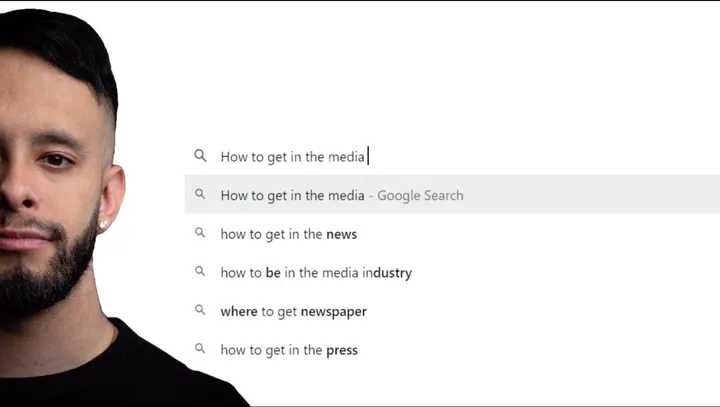
The place buyers look has changed. They used to search. Now they ask. A buyer researching you opens an answer engine and reads whatever it says back, and that answer is built from your press footprint.
That means the work has two jobs: build the footprint, and make sure the footprint is accurate, sourced, and yours.
What pre-influence is made of
In practice it comes down to a few moving parts that reinforce each other:
- Control the narrative, with placement that is disclosed and labeled, so the framing is yours.
- Sequence the proof across several outlets, because a pattern reads as consensus.
- Own the answer, so the machine that buyers ask returns something true and in your favor.
None of it works without real stories behind it. The method is only as good as the substance it points to.
What it changes
Done right, pre-influence removes skepticism, shortens the decision, and means that by the time someone reaches you, they are already sold. That is the whole point, used honestly.